
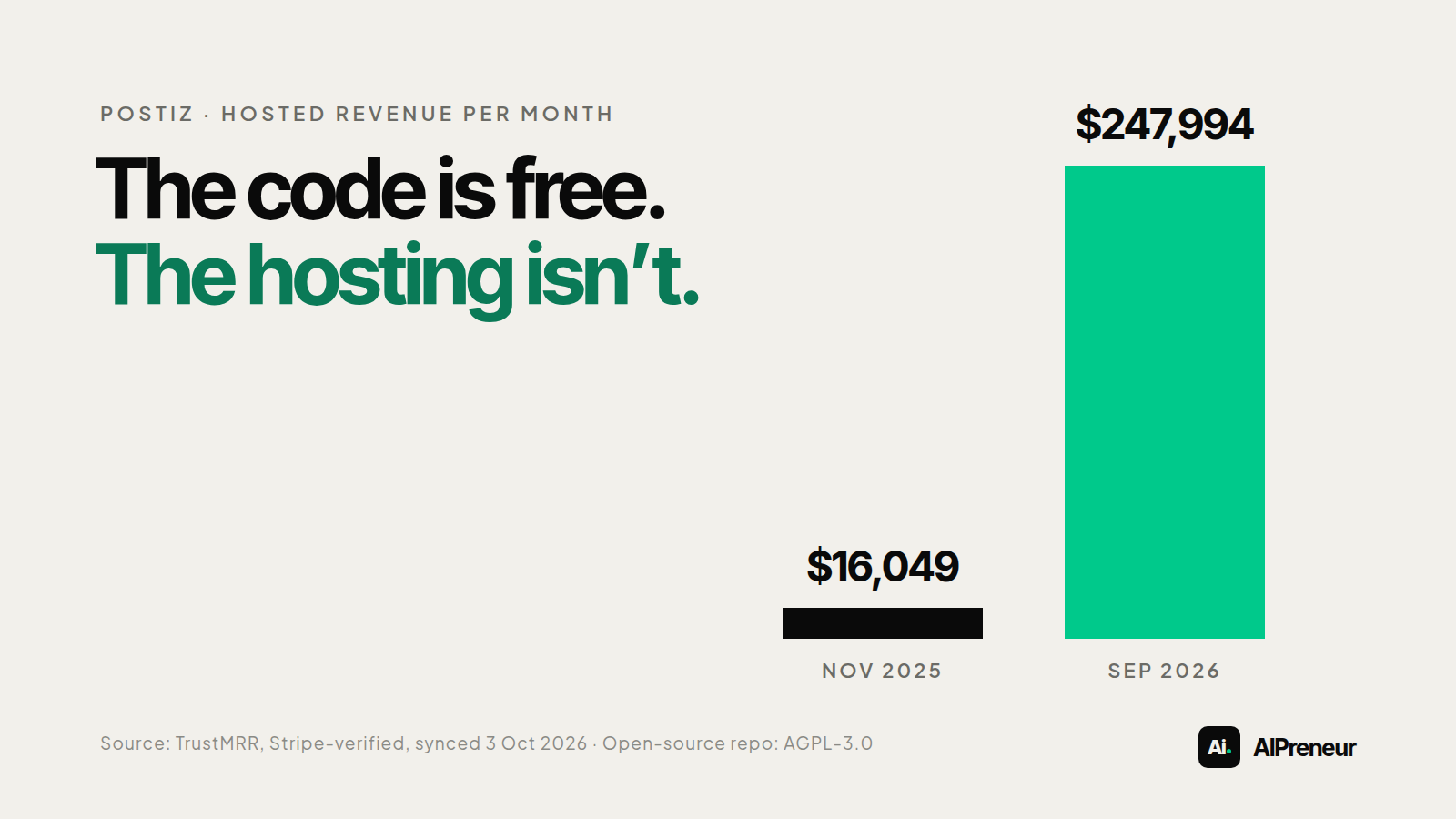
Postiz shows how open source can become the sales funnel
The scheduler’s public code is free. Its hosted service recorded $247,994 in September revenue.
AIpreneur Intelligence
What can actually be built, automated and sold with AI—with the evidence, economics and limits behind it.
The operating brief
29 articles
The scheduler’s public code is free. Its hosted service recorded $247,994 in September revenue.
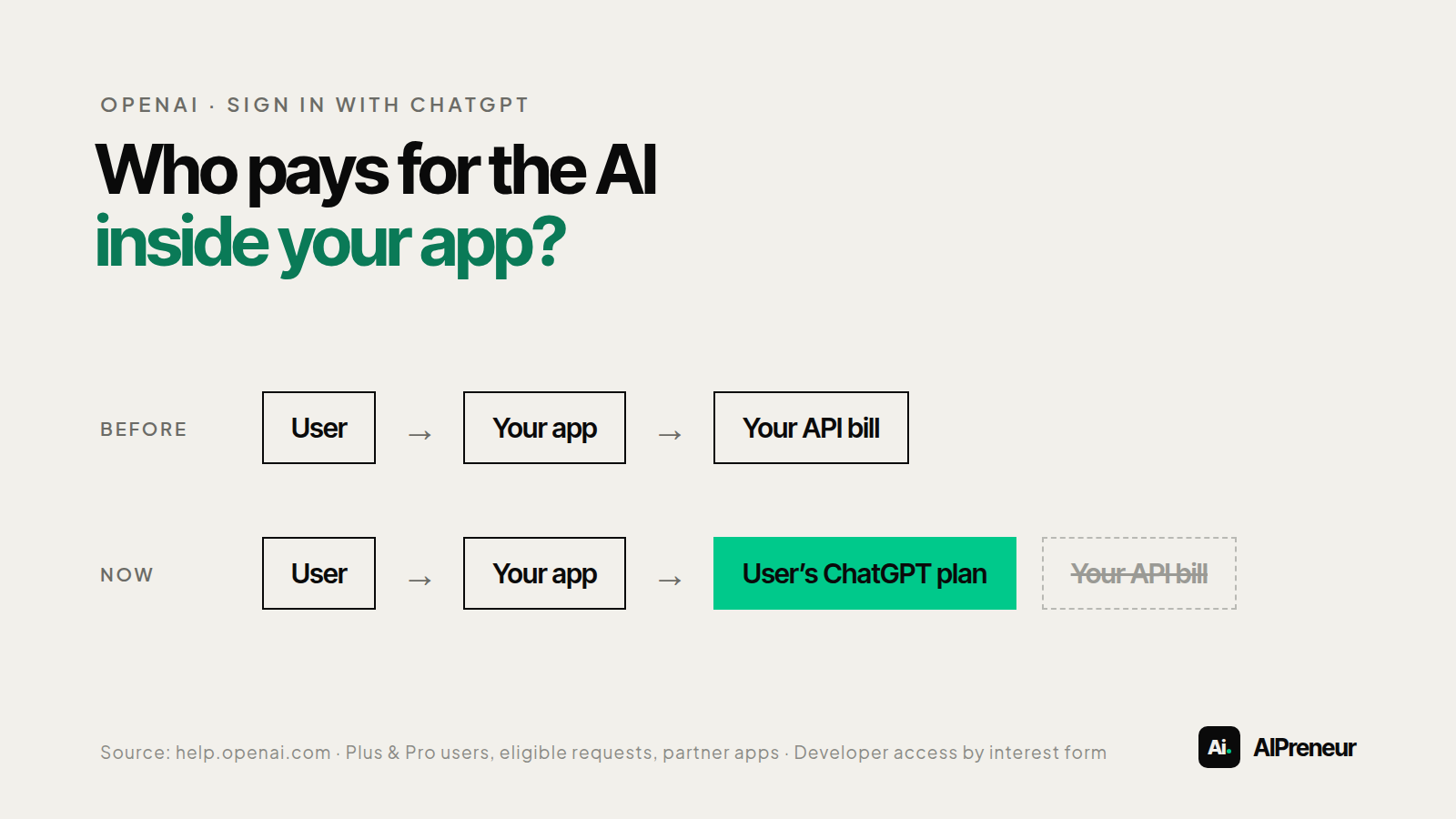
Eligible requests can run against a user’s ChatGPT allowance, changing the cost structure for participating apps.
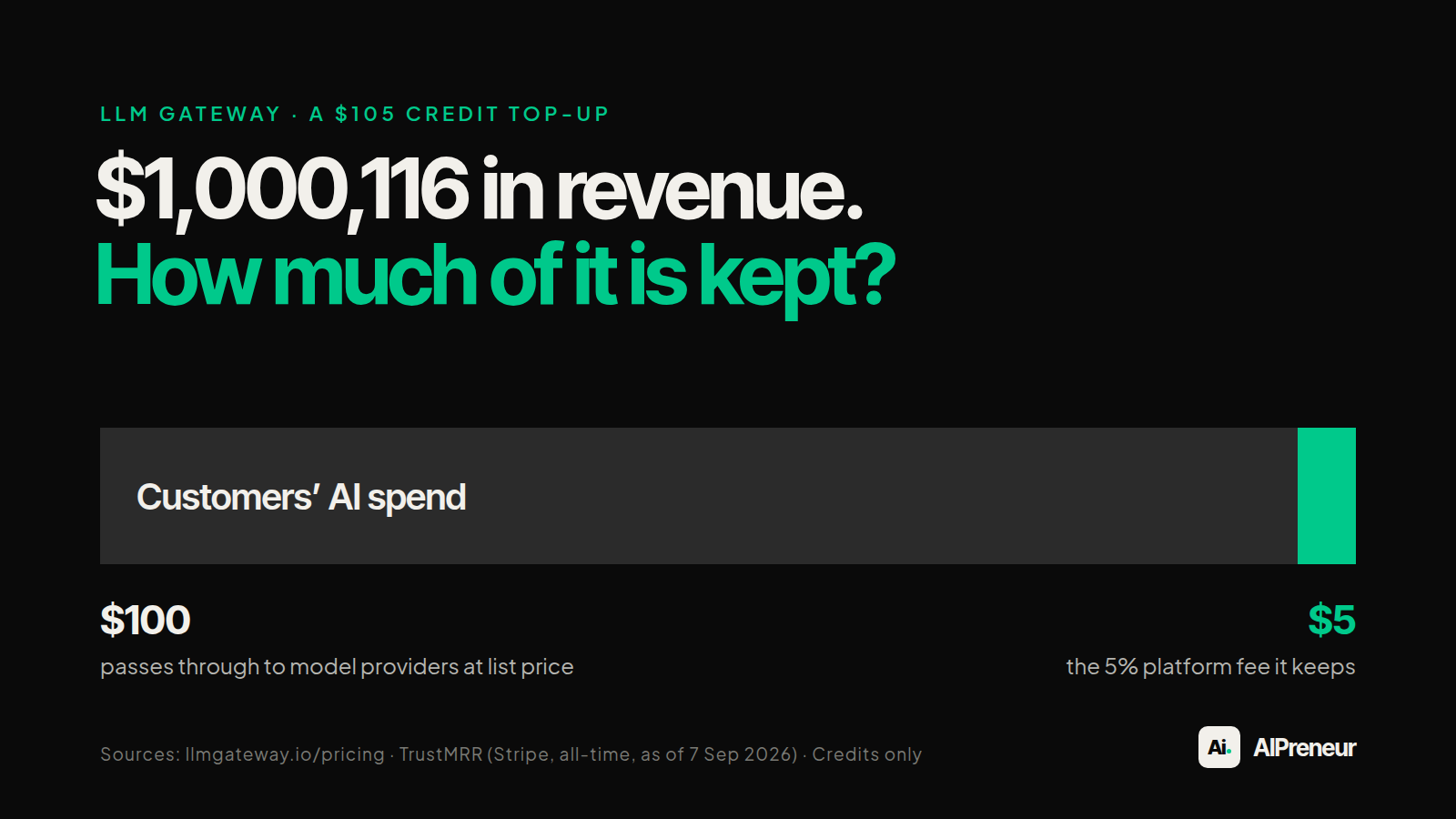
LLM Gateway’s reported revenue shows why AI infrastructure businesses need to explain their take rate.
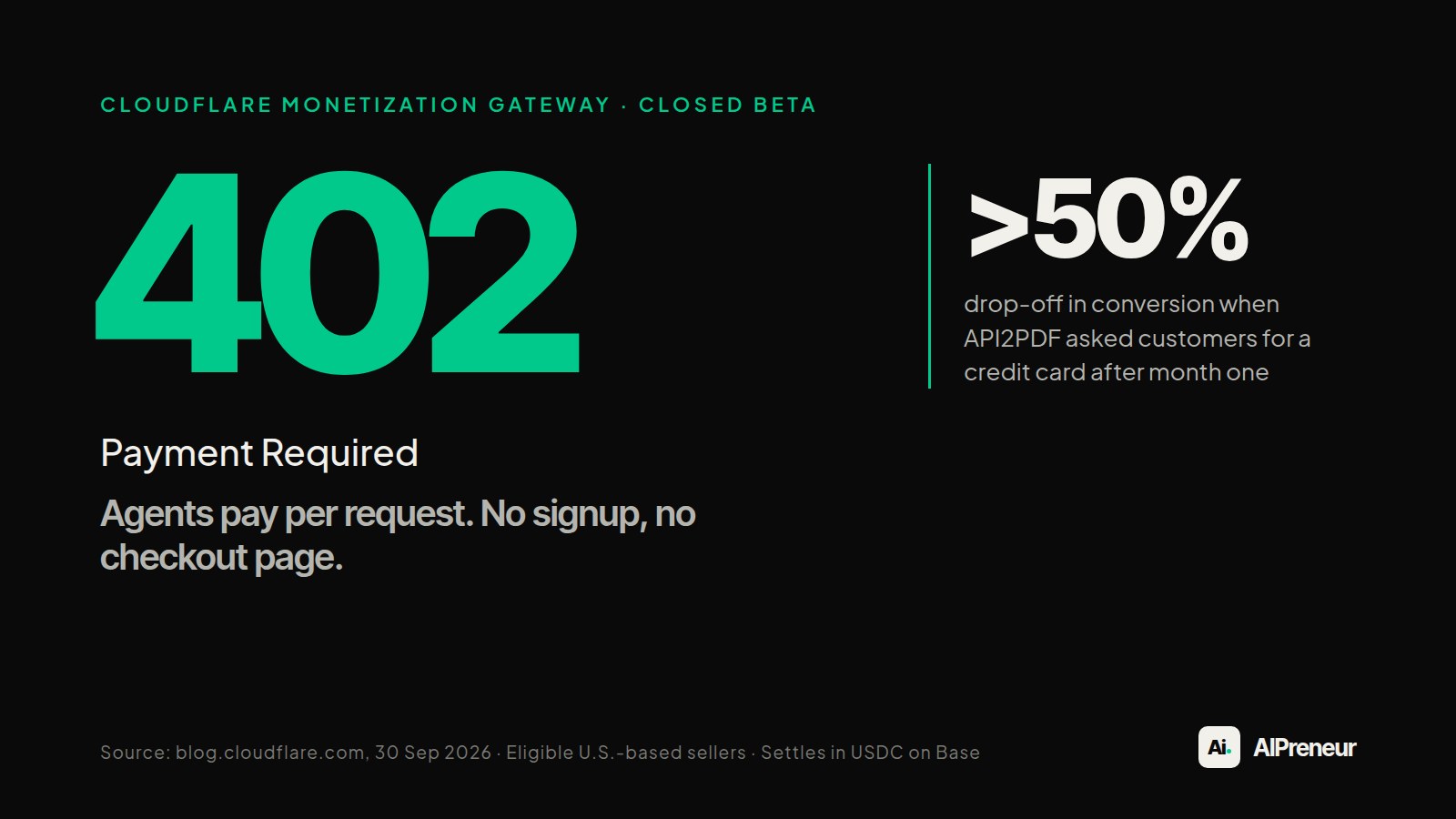
Its Monetization Gateway beta uses HTTP 402 so software can pay for a request inside the request itself.
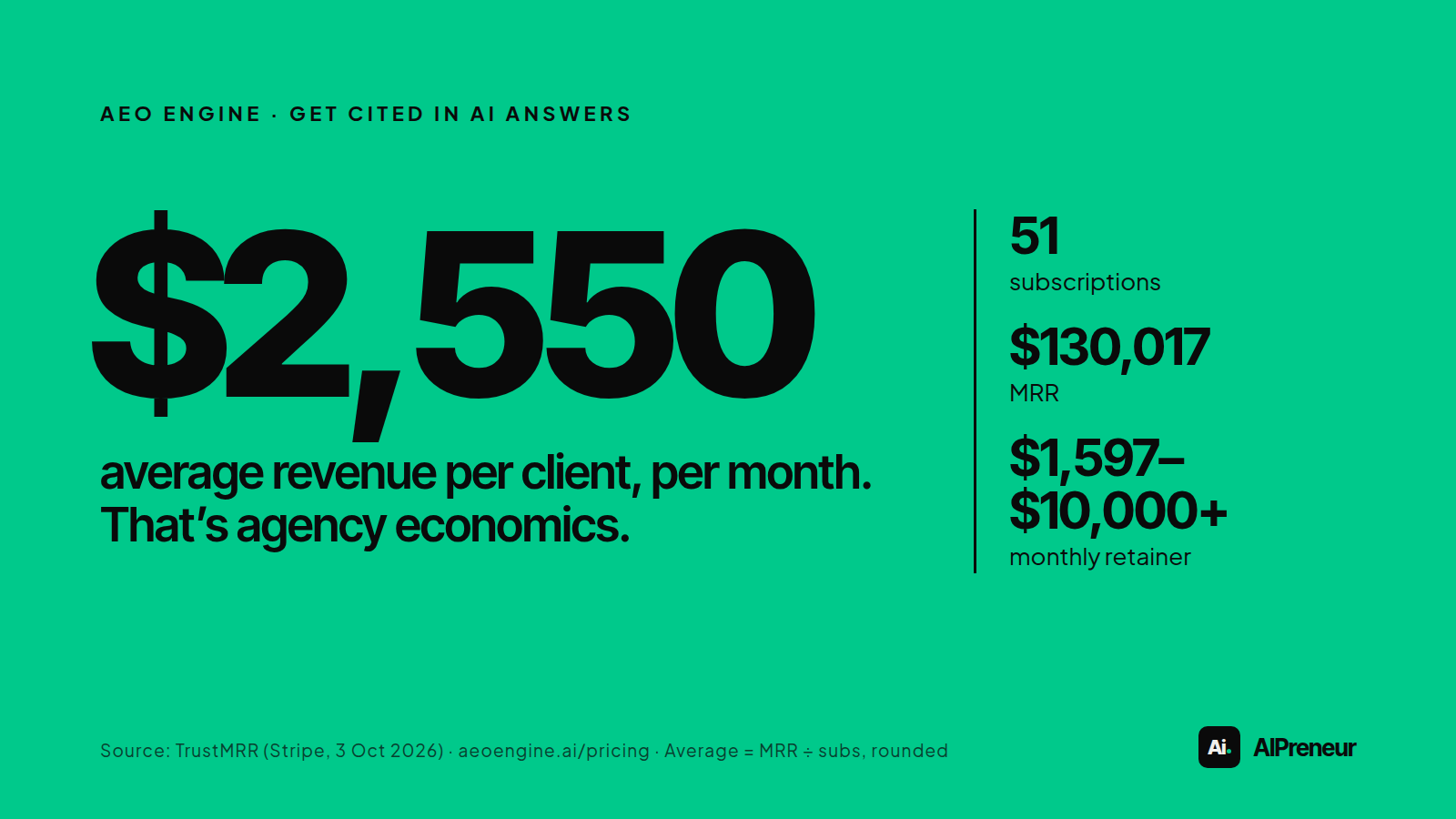
A managed service for earning citations in AI answers has reached $130,017 in reported monthly recurring revenue.
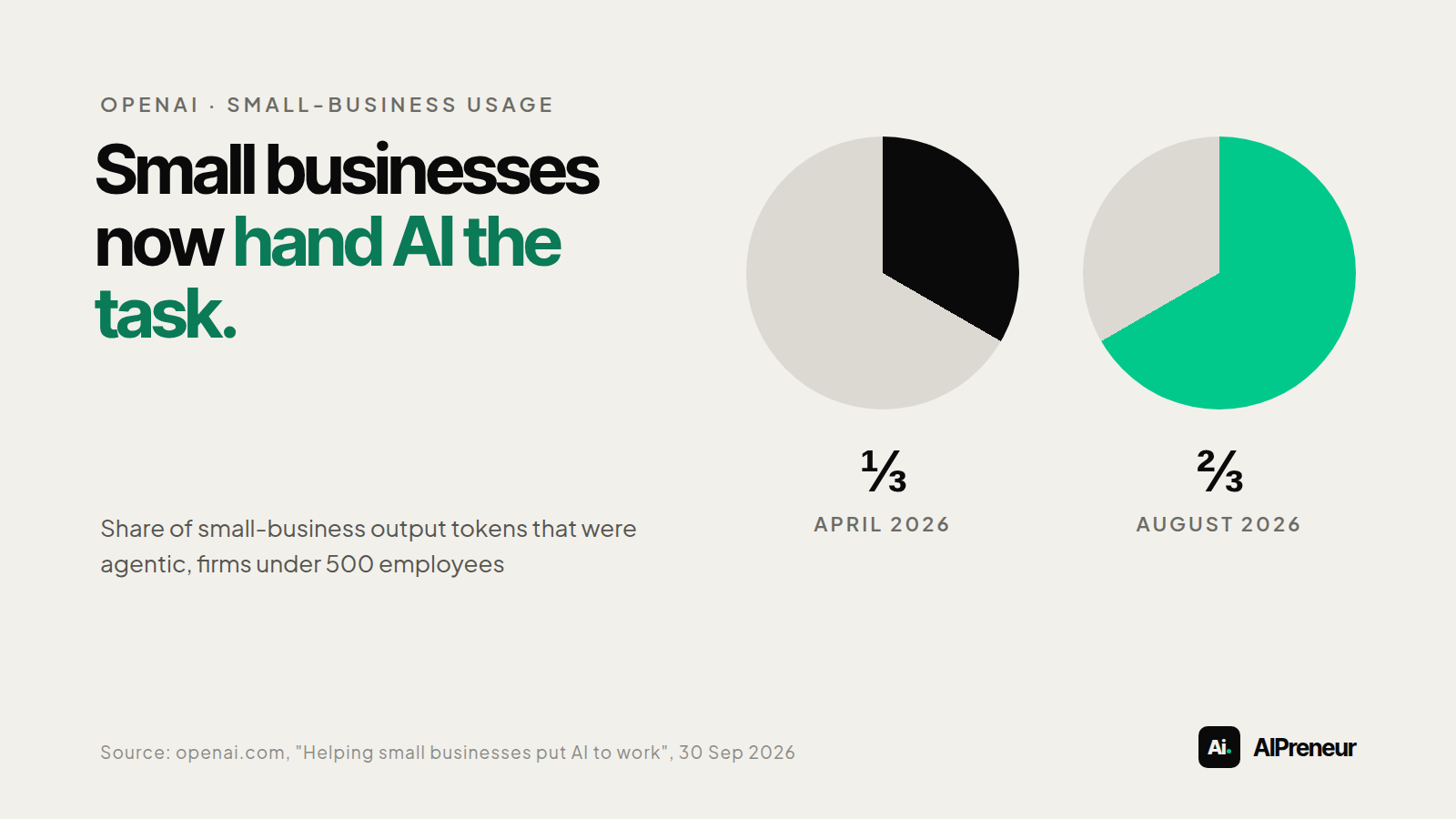
OpenAI usage data suggest smaller firms are using agents for complete tasks across functions they cannot always staff deeply.
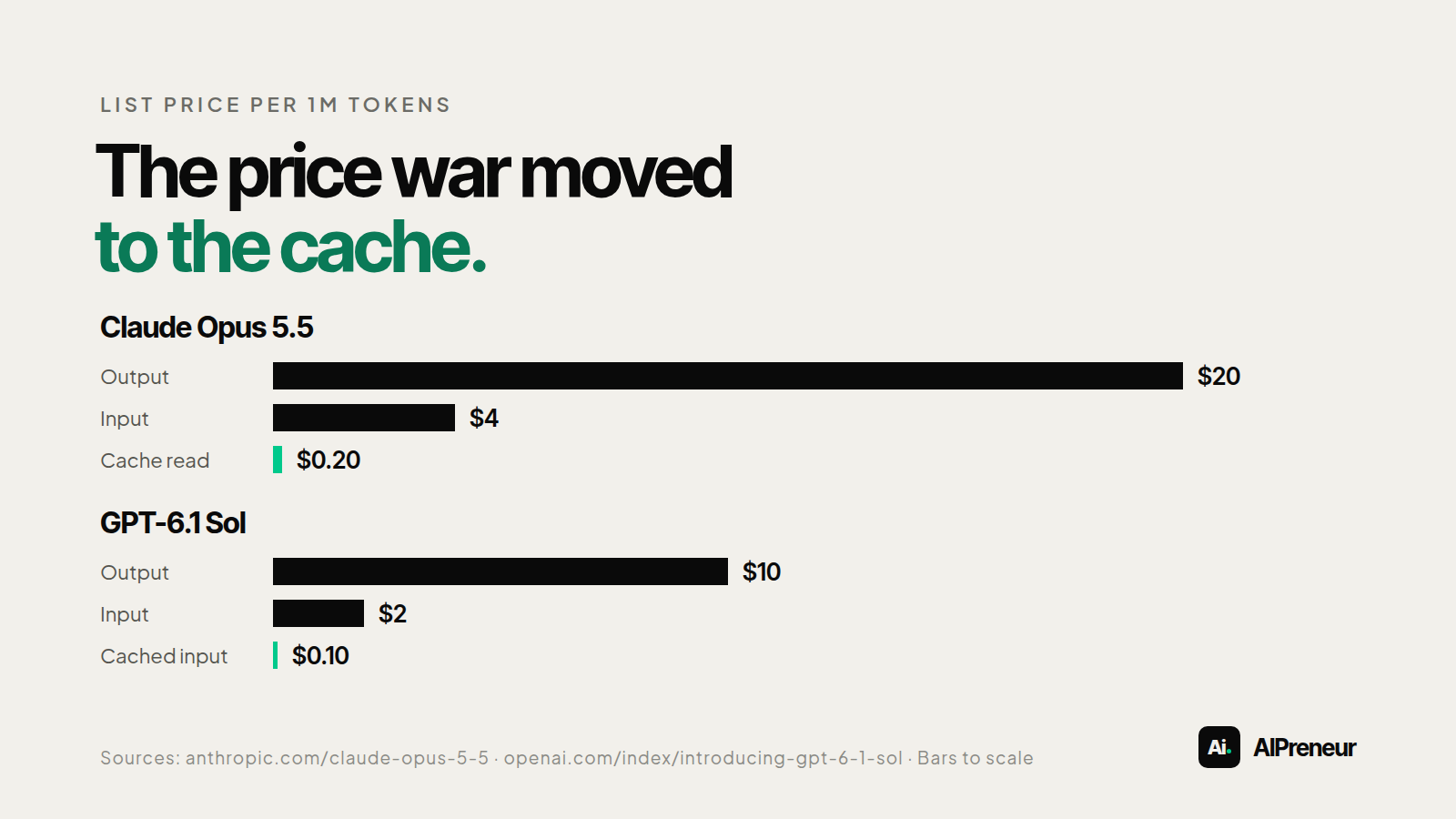
For long-running agents, the price of reusing context can matter more than the headline input-token rate.
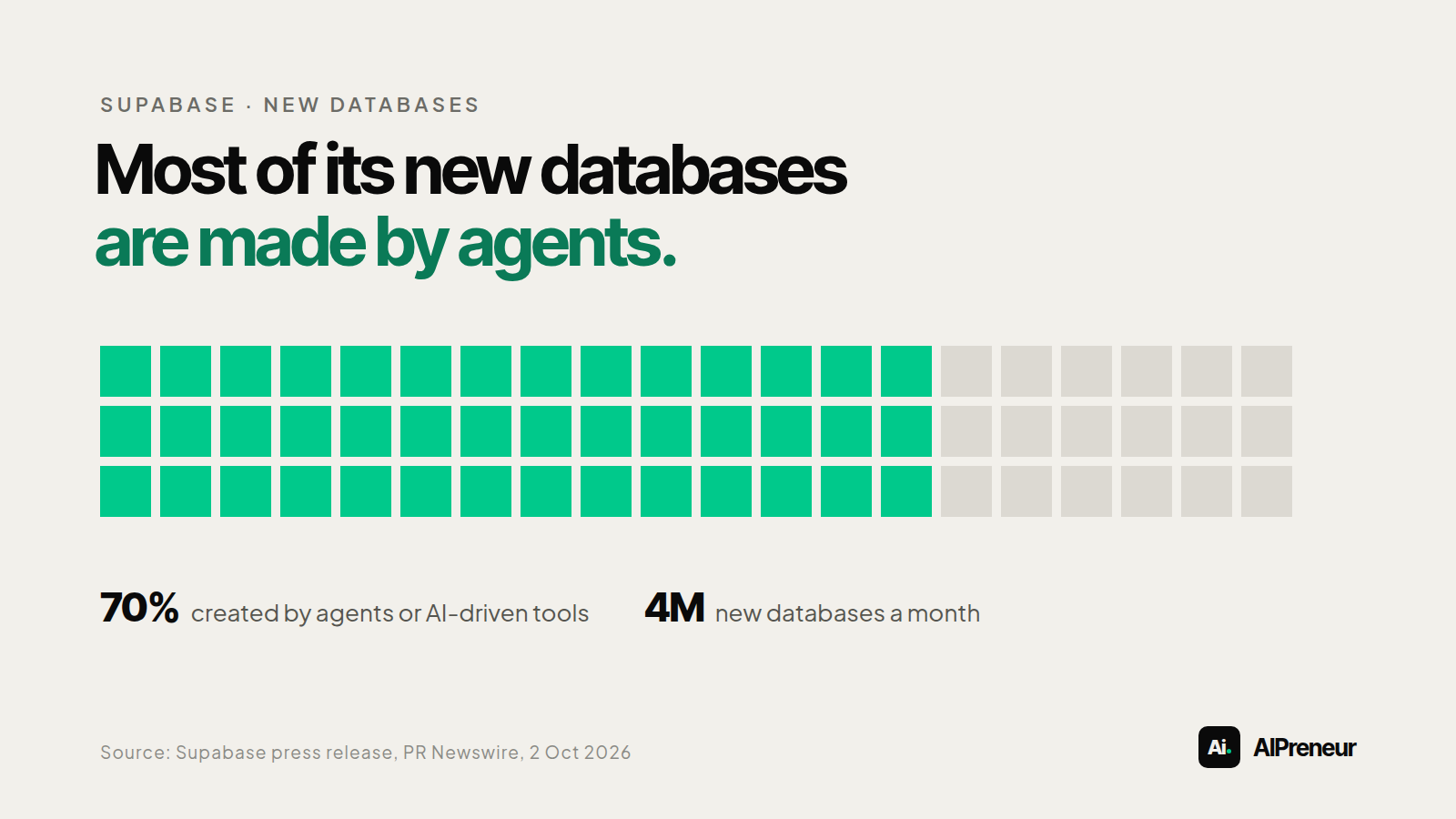
Supabase says AI tools now create 70% of new databases on its platform, changing how infrastructure wins demand.
When intelligence becomes more accessible, judgment, curiosity and trust become more consequential.
What documented OECD cases reveal about readiness, support and practical value.
Beyond model capability: the practical questions of control, cost and long-term independence.
The strongest starting point for an AI venture may be a problem somebody already understands.
What becomes possible when a small team can stay close to a very specific problem?
A closer look at tools that bring more of the workflow onto your own device.
Why focused workflows deserve attention alongside general-purpose assistants.
The opportunity in building tools around the languages people actually work in.
Three questions to ask when a new AI capability reaches your desk.
A concise guide to the less visible work of adopting an AI tool.
A small experiment, a clear baseline and permission to learn.
An interview framework for understanding how a builder chooses what deserves to exist.
Questions about responsibility, relationships and the work people want to own.
An editorial lens on the less visible changes inside ordinary businesses.
Why infrastructure, language and customer context belong in the AI economy story.
Clear boundaries and useful explanations can matter as much as a fluent answer.
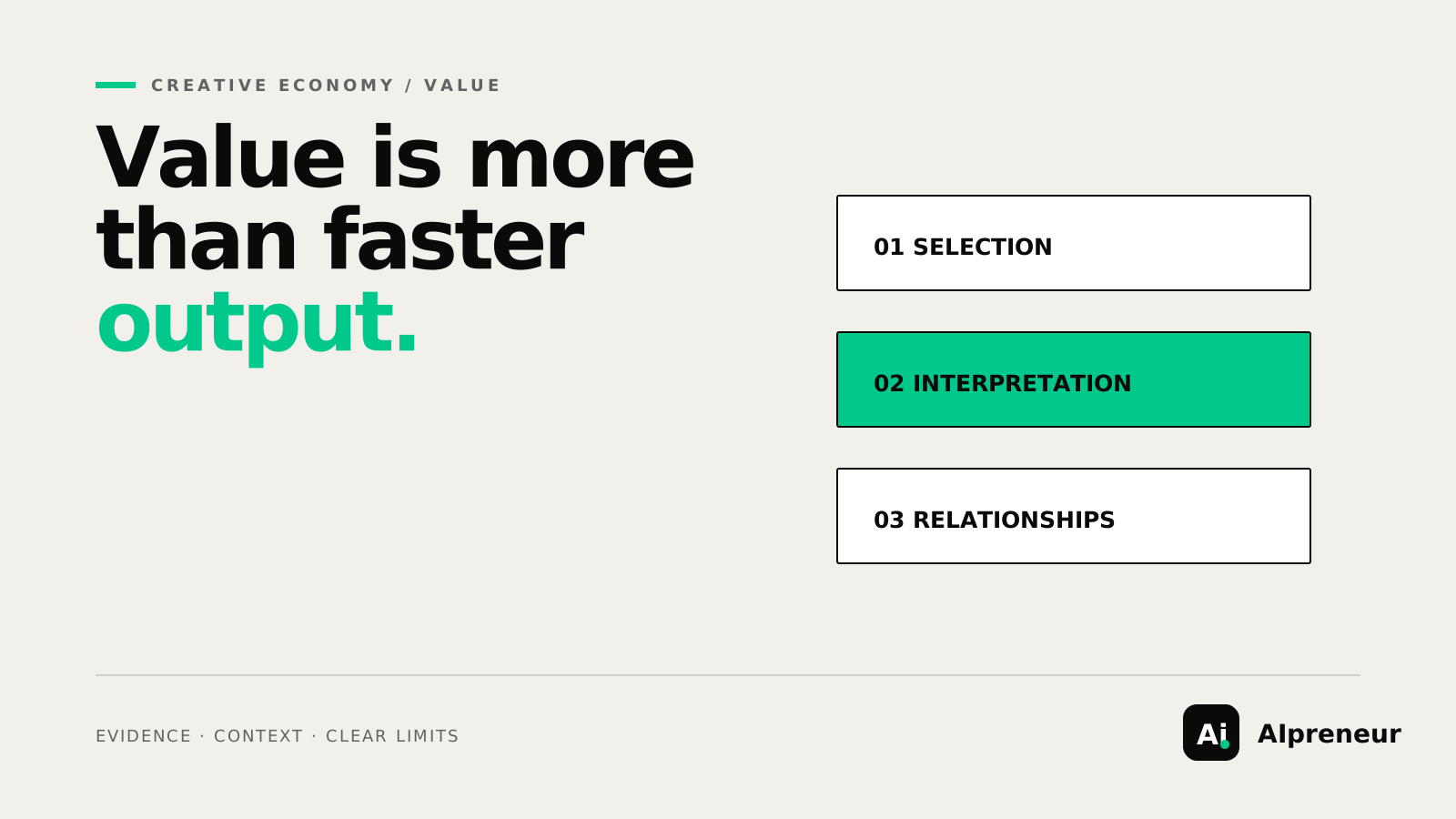
Why a faster draft does not settle the question of what makes creative work valuable.
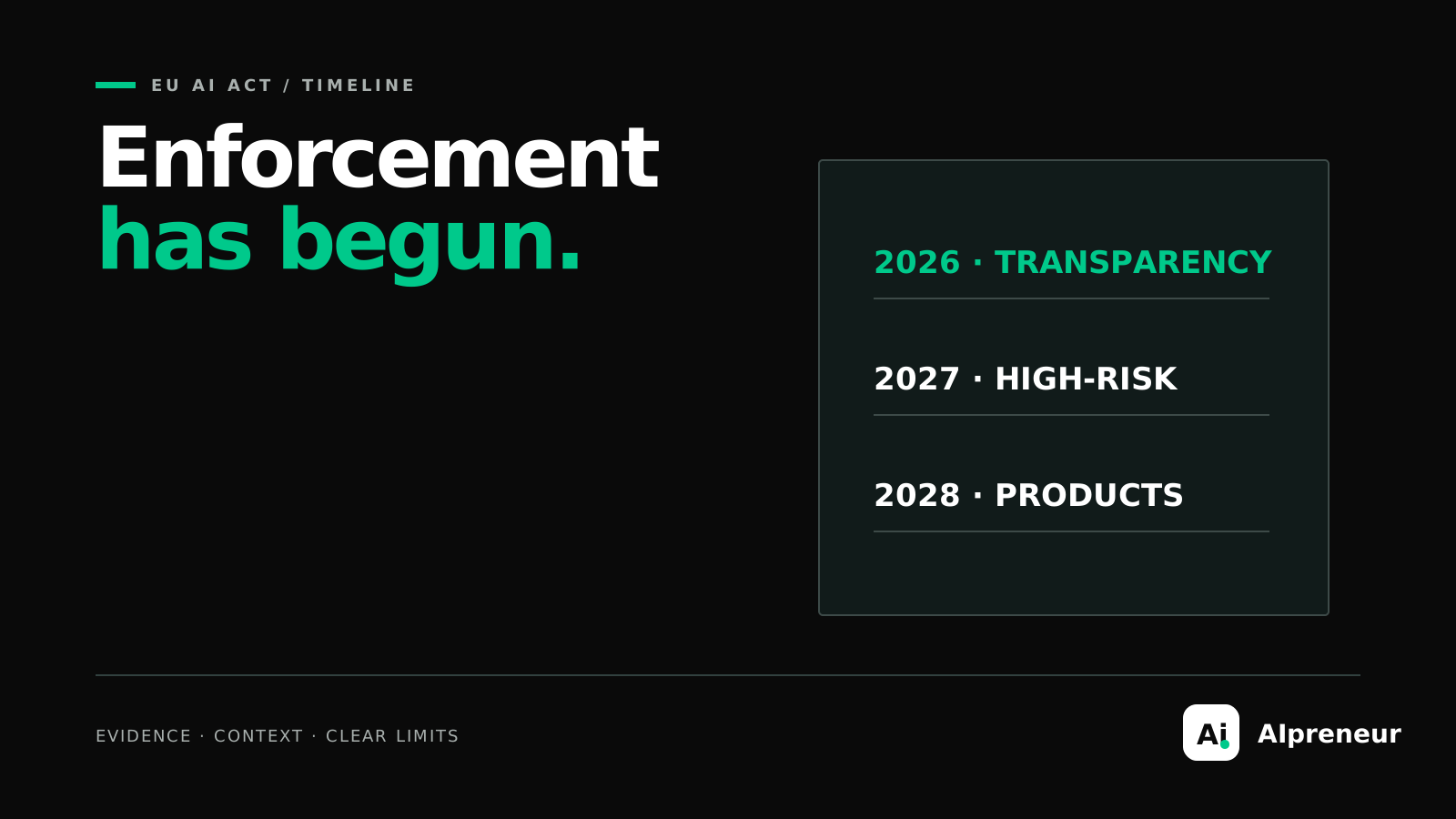
Transparency duties now apply, while high-risk deadlines extend into 2027 and 2028.
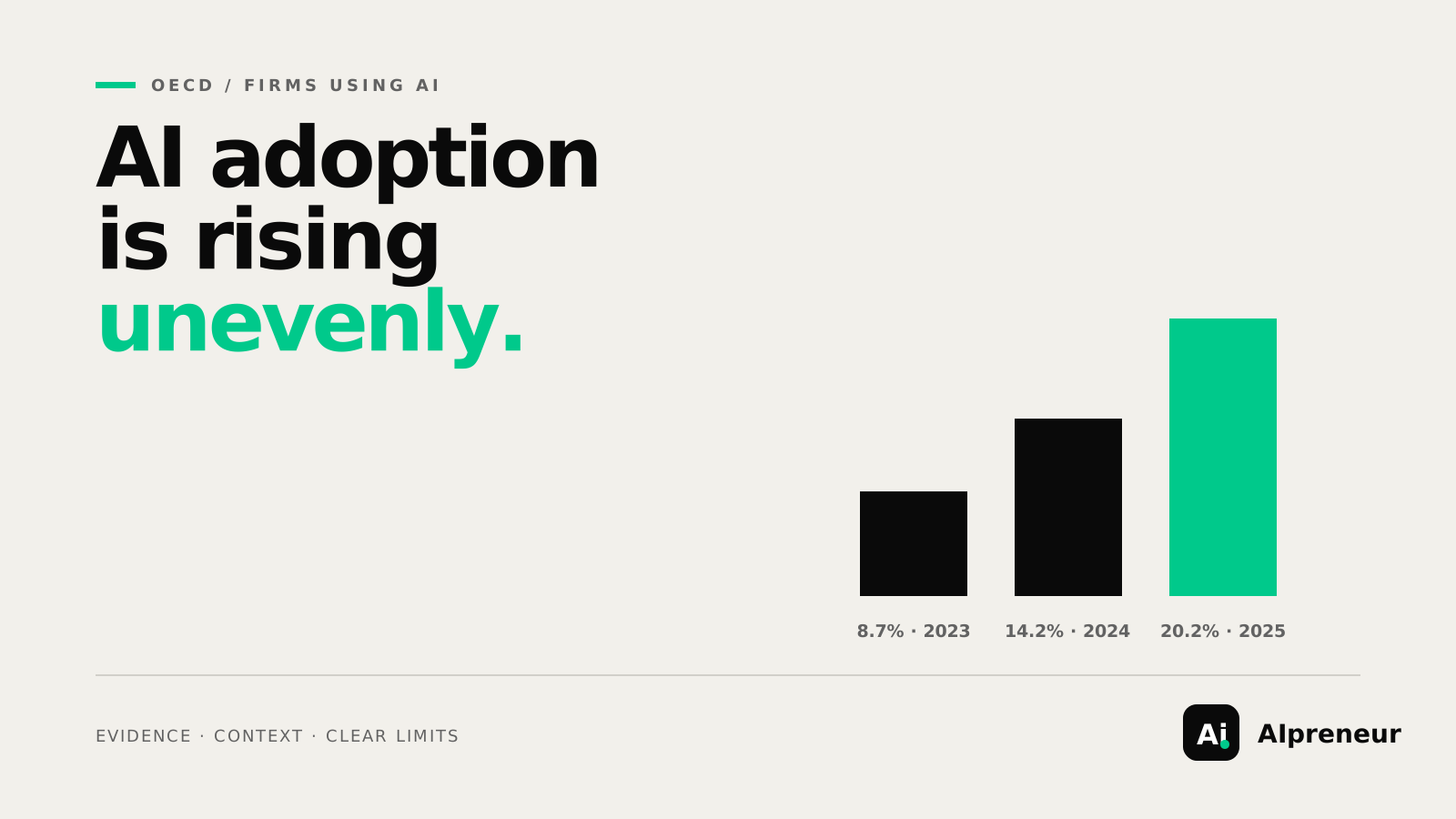
OECD data show growth while size, sector and readiness continue to divide firms.
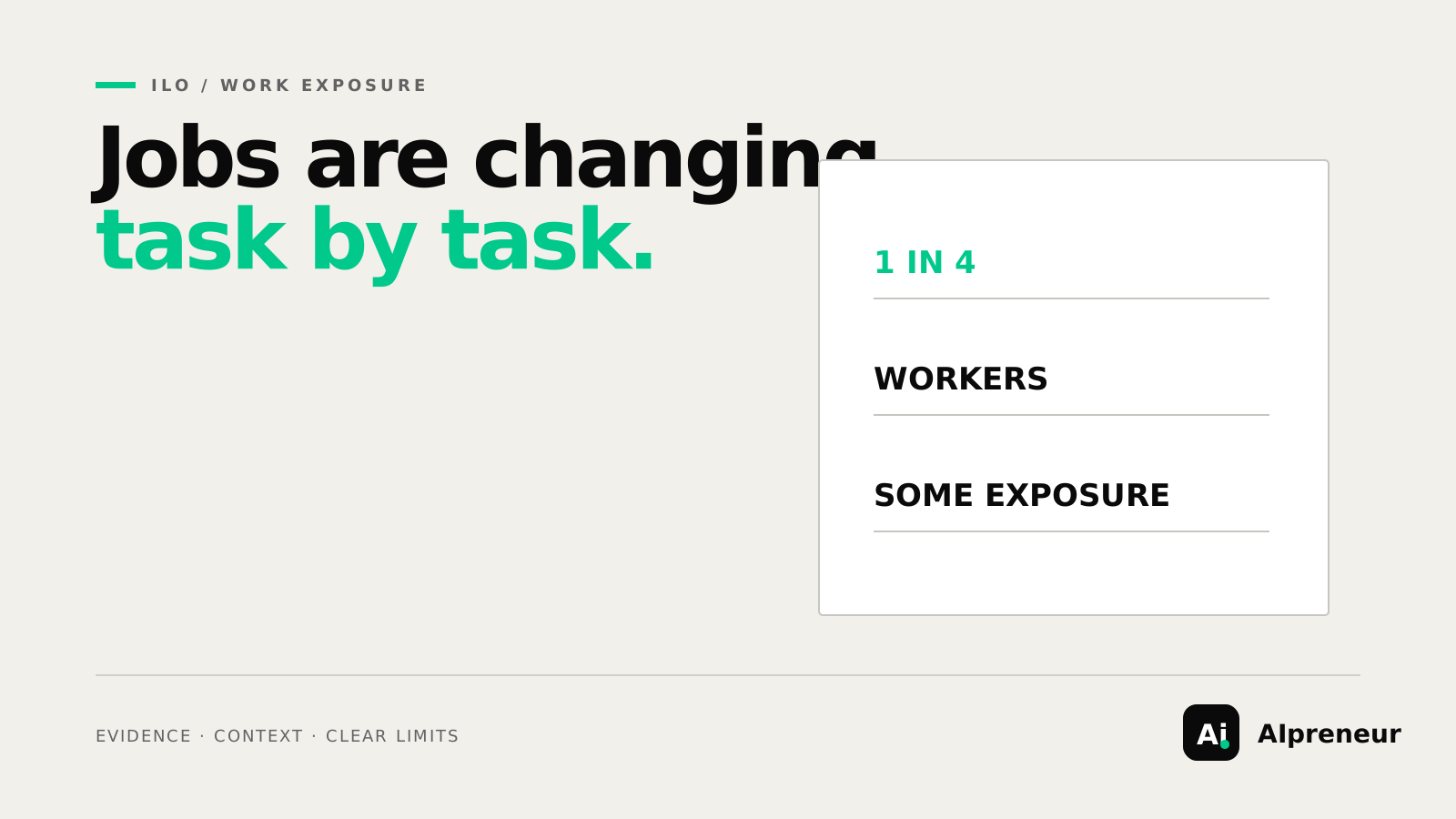
The ILO’s updated exposure index finds broad exposure and a continuing need for human input.
The African Union links innovation with skills, infrastructure, governance and inclusion.