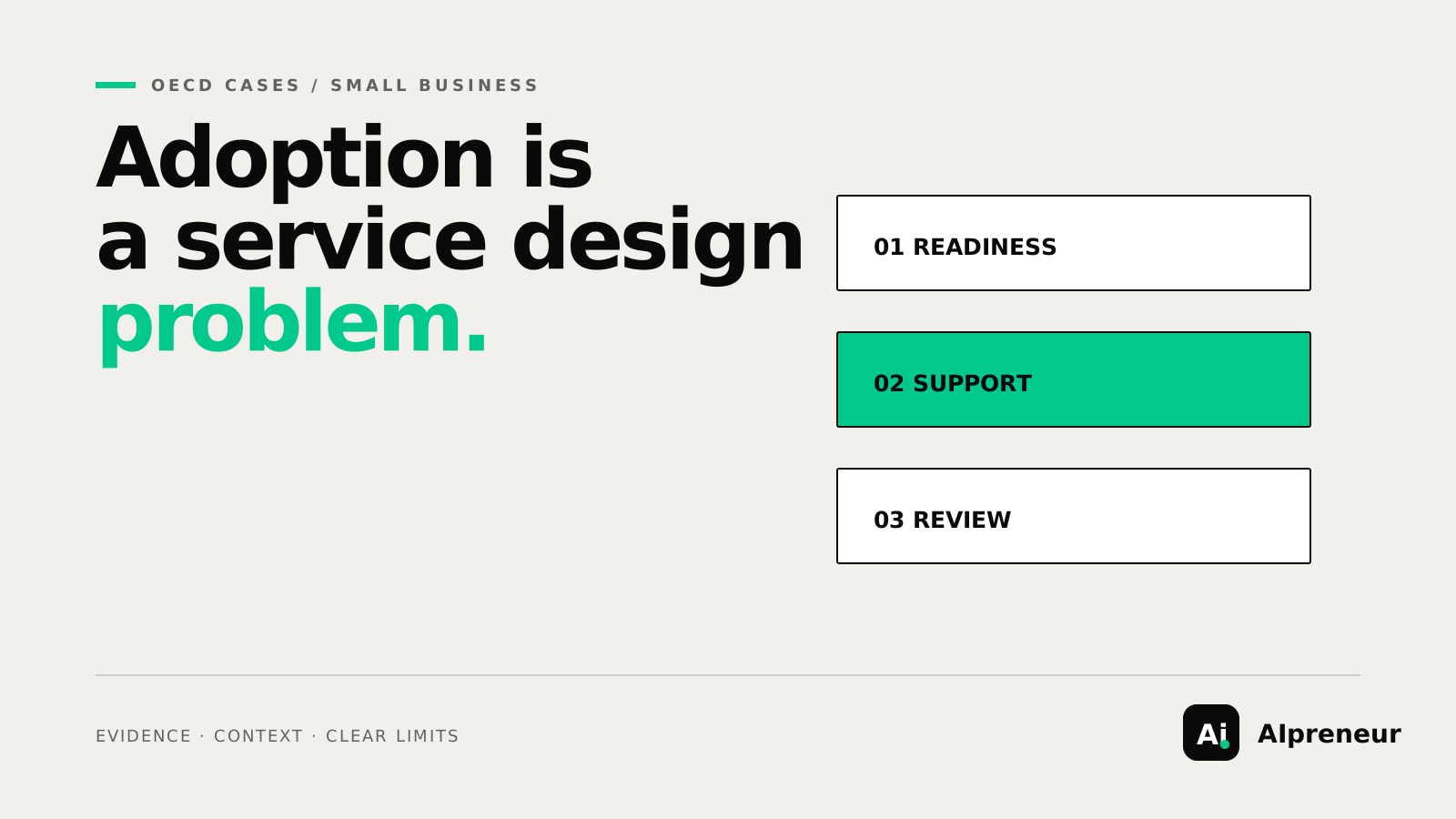
Small-business adoption is a design story
What documented OECD cases reveal about readiness, support and practical value.
There is no average small business
OECD research across industries and countries finds distinct adoption paths. Some businesses need foundational digital systems; others can integrate specialised tools into established, data-rich operations. Treating both as the same adopter produces products and policy that fit neither.
Adoption is more than a software purchase. It includes finding a useful task, preparing information, changing routines and helping staff judge results.
The invisible work
The OECD identifies connectivity, data and compute, skills, and finance among the conditions that enable smaller firms to adopt AI. Setup, explanation and recovery therefore belong in the product, not outside it.
This analysis synthesises published research rather than presenting an interview or an individual company profile.
Design the adoption service
Begin with readiness and one workflow. Measure sustained improvement, review burden and the ability to handle exceptions. Adoption becomes capability when the business can explain the result and decide when not to use the system.
Make room for the work that matters.
Sources and review
Fact-checked against the cited primary sources on 1 October 2026.
The question behind every AIpreneur piece: why does this matter to someone building, creating or contributing to the AI economy?
← Back to News